Castle Rock National Wildlife Refuge
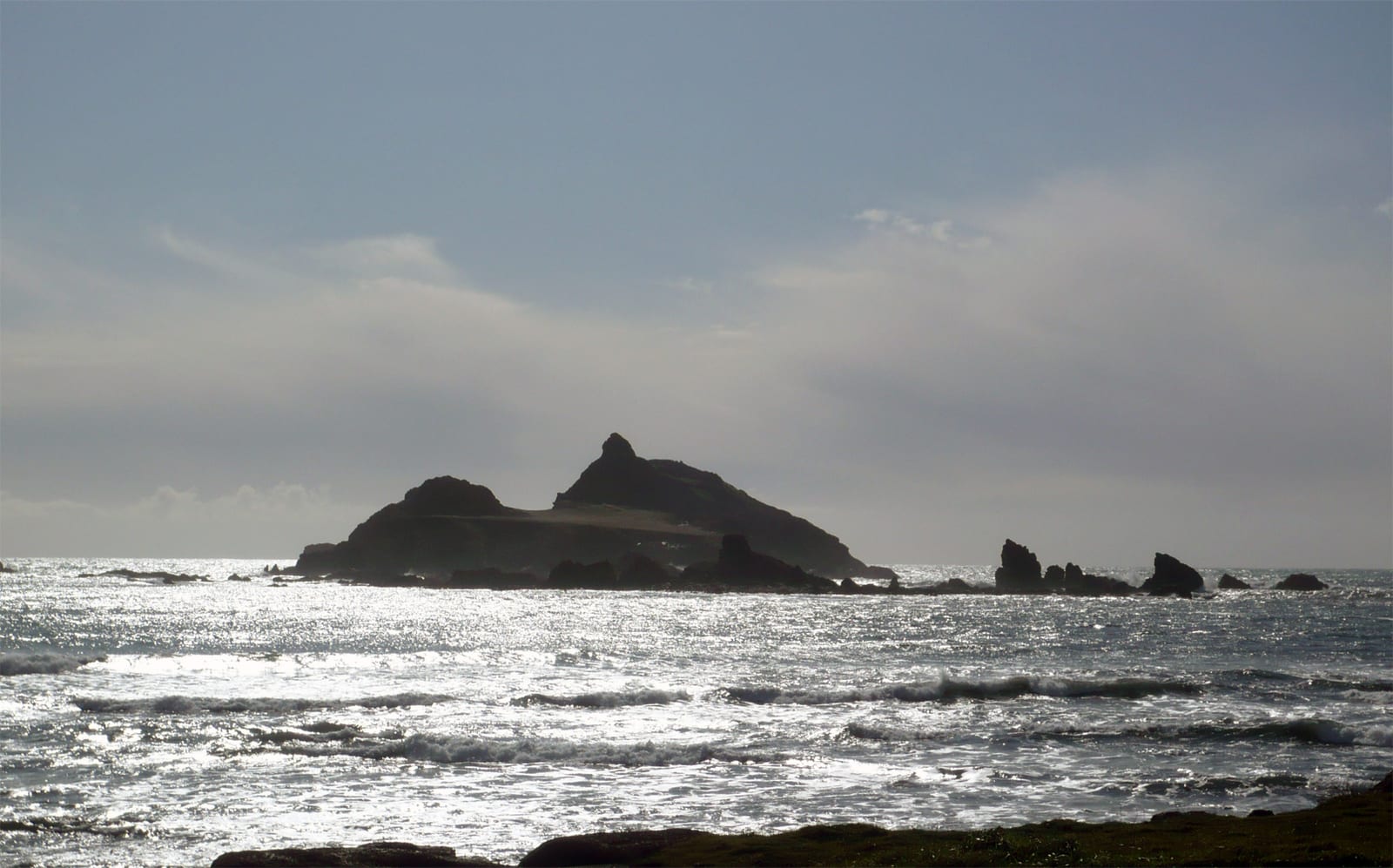
Castle Rock National Wildlife Refuge is a 14-acre national wildlife refuge in Del Norte County, California, established in 1979, run by the U.S. Fish and Wildlife Service as part of the Humboldt Bay National Wildlife Refuge Complex. It is closed to all public use: no one may land on or enter it.
Check current closures and fire restrictions for Castle Rock National Wildlife Refuge on the managing agency's own page.
Castle Rock National Wildlife Refuge map
Castle Rock National Wildlife Refuge boundary from USGS PAD-US or the managing agency, simplified for display. Not for navigation or legal boundaries.
Closures
- Castle Rock NWR is closed to the public to prevent disturbance to seabirds, marine mammals, and their habitat (as of September 28, 2026). Current notice
- California Department of Fish and Wildlife special closure restricts boating from the island shoreline to 300 feet offshore (as of September 28, 2026). Current notice
Fire restrictions
Fire restrictions change with the season and can start or lift within days. Check the current orders for this area before any campfire, stove, smoking, target shooting or off-road driving.
Common questions
- No. Castle Rock National Wildlife Refuge is closed to all public use: no one may land on or enter it.
- No. Hunting is not allowed on Castle Rock National Wildlife Refuge. Refuge closed to general public entry.
- No. Fishing is not allowed on Castle Rock National Wildlife Refuge. The refuge is closed to the public; fishing is not permitted on the refuge.
- Yes. Dogs are allowed on Castle Rock National Wildlife Refuge on a leash. Leashed pets allowed on signed trails and roads unless posted otherwise.
Hours, fees, and visitor center
There is no entrance fee at Castle Rock National Wildlife Refuge.
What visitors do here: birding, environmental education, photography, wildlife viewing.
Sources: fws.gov/refuge/castle-rock/visit-us, checked 2026-09-29; fws.gov/refuge/castle-rock/about-refuge, checked 2026-09-28.
Wildlife
- BirdColonial seabirdsBreeding colony includes common murres and other seabirds on the island and offshore rocks.
- MammalSteller sea lionsMarine mammals use the island and nearshore waters as haul-out habitat.
Source: fws.gov/refuge/castle-rock, checked 2026-09-28.
Hunting
Hunting is not allowed on Castle Rock National Wildlife Refuge. Refuge closed to general public entry.
Hunting rules for Castle Rock National Wildlife Refuge
Source: fws.gov/refuge/castle-rock/about-refuge, checked 2026-09-28.
Fishing and boating
Fishing is not allowed on Castle Rock National Wildlife Refuge. The refuge is closed to the public; fishing is not permitted on the refuge.
Source: fws.gov/refuge/castle-rock/about-refuge, checked 2026-09-28.
Pets
Dogs are allowed on Castle Rock National Wildlife Refuge on a leash. Leashed pets allowed on signed trails and roads unless posted otherwise.
Source: fws.gov/refuge/castle-rock/visit-us, checked 2026-09-29.
Places on the refuge
- IslandCastle RockOffshore island about 0.5 miles from the Del Norte County coast near Crescent City.
Source: fws.gov/refuge/castle-rock, checked 2026-09-28.
Public lands next to Castle Rock National Wildlife Refuge
- BLM unitCalifornia Coastal National Monument is 0.1 miles away, straight line between the two boundaries.
- State parkTolowa Dunes State Park is 1.1 miles away, straight line between the two boundaries.
Measured between the units' boundaries as mapped in USGS PAD-US. Distances are straight line, not driving.
- https://www.fws.gov/refuge/castle-rock (accessed 2026-09-29)
- https://www.recreation.gov/camping/gateways/3934 (accessed 2026-09-29)
- https://www.fws.gov/refuge/castle-rock/about-refuge (accessed 2026-09-28)
- https://www.fws.gov/refuge/castle-rock/visit-us (accessed 2026-09-29)