Sheldon National Wildlife Refuge
Sheldon National Wildlife Refuge is a 572,896-acre national wildlife refuge in Humboldt County, Nevada, established in 1931, run by the U.S. Fish and Wildlife Service as part of the Sheldon-Hart Mountain National Wildlife Refuge Complex. There is no entrance fee. It is open year-round. Camping is allowed.
Check current closures and fire restrictions for Sheldon National Wildlife Refuge on the managing agency's own page.
Sheldon National Wildlife Refuge map
Sheldon National Wildlife Refuge boundary from USGS PAD-US or the managing agency, simplified for display. Not for navigation or legal boundaries.
Fire restrictions
No fire restriction recorded for this unit as of Sept. 30, 2026. Restrictions change with the season, so check the current orders below before you go.
Nevada Fire Info, BLM Nevada's interagency fire site, keeps the Nevada fire restrictions map and signed orders for every fire zone, and a Nevada fire map of active fires.
Common questions
- Yes. Sheldon National Wildlife Refuge is open year-round.
- No. There is no entrance fee at Sheldon National Wildlife Refuge.
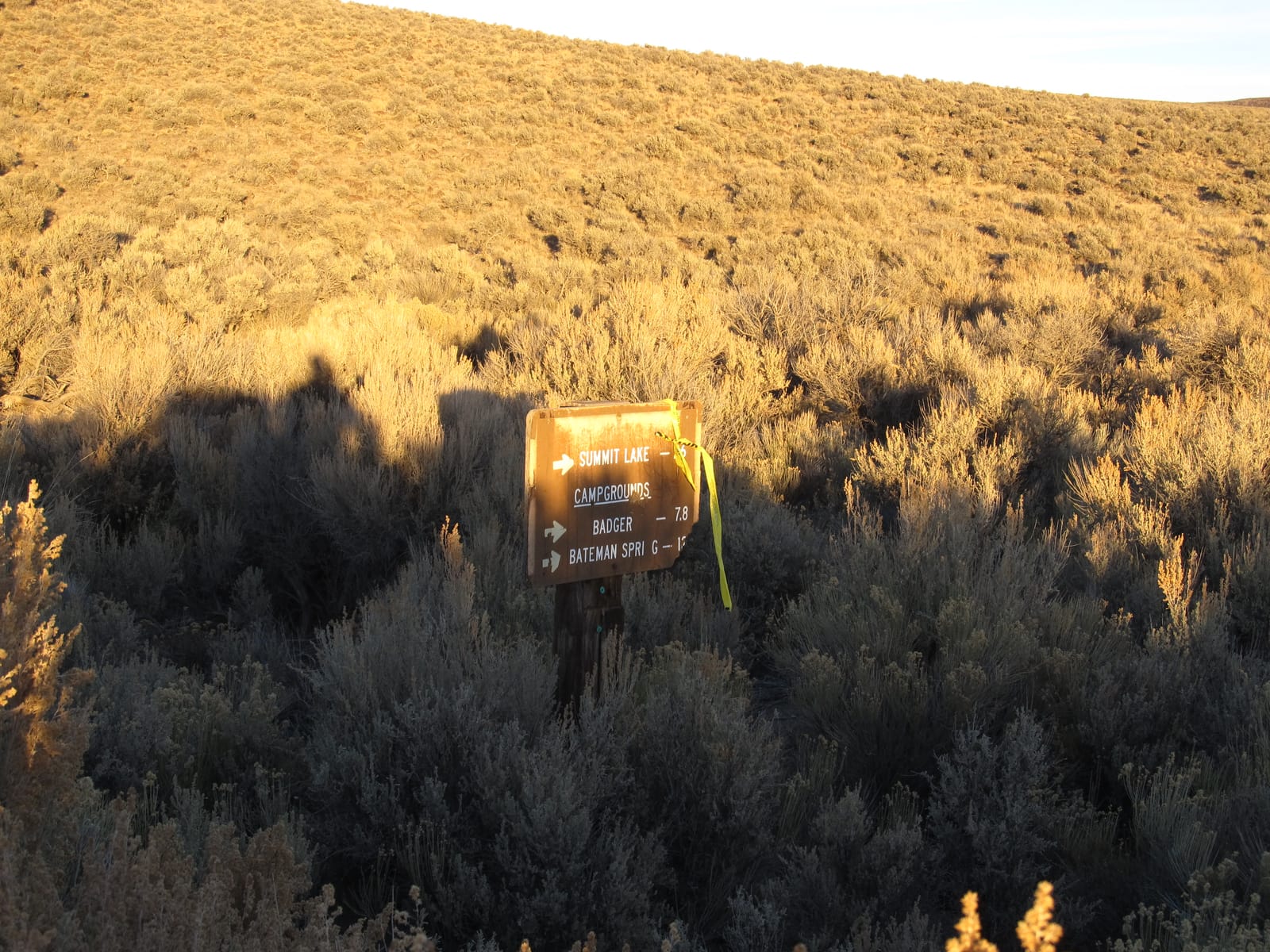
- Yes. Camping is allowed on Sheldon National Wildlife Refuge at 1 campground. There is no camping fee. Stays are limited to 14 days in any 30-day period. In designated campgrounds or with a free backcountry permit; first come, no reservations. Virgin Valley is open all year with water; all others are primitive.
- Yes. Hunting is allowed on Sheldon National Wildlife Refuge for waterfowl, upland game birds, and big game. Where, per the refuge: No hunting in Virgin Valley, Little Sheldon or the posted western portion of the refuge; no waterfowl hunting at Catnip and Big Spring reservoirs. Seasons, limits and methods are set by the refuge regulation and Nevada Department of Wildlife rules, which change every year: read them before you go.
- Yes. Fishing is allowed on Sheldon National Wildlife Refuge with a Nevada fishing license. Where, per the refuge: Only in Dufurrena Ponds, Catnip Reservoir, Big Spring Reservoir and McGee Pond. McGee Pond is open year-round for children under 12.
- Yes. Dogs are allowed on Sheldon National Wildlife Refuge on a leash. Leashed or confined, except dogs used for bird hunting.
- No. Drones may not be launched, landed or flown on Sheldon National Wildlife Refuge.
Hours, fees, and visitor center
Sheldon National Wildlife Refuge is open year-round.
There is no entrance fee at Sheldon National Wildlife Refuge.
- Sheldon Refuge Headquarters and contact station44290 Virgin Valley Road, Denio, NV 89404775-941-0199
- Sheldon-Hart Mountain Refuge Complex HeadquartersOff the refuge, in town.Mon-Fri: 8 a.m. to 4:30 p.m.20995 Rabbit Hill Road, Lakeview, OR 97630541-947-3315
What visitors do here: wildlife viewing, birding, photography, hunting, fishing, boating, camping, hiking, an auto tour route, horseback riding, rockhounding.
Sources: fws.gov/refuge/sheldon/visit-us/activities/camping, checked 2026-09-27; fws.gov/refuge/sheldon/visit-us, checked 2026-09-27; fws.gov/refuge/sheldon/visit-us/activities/backpacking, checked 2026-09-27; fws.gov/refuge/sheldon/visit-us/activities, checked 2026-09-27.
Wildlife
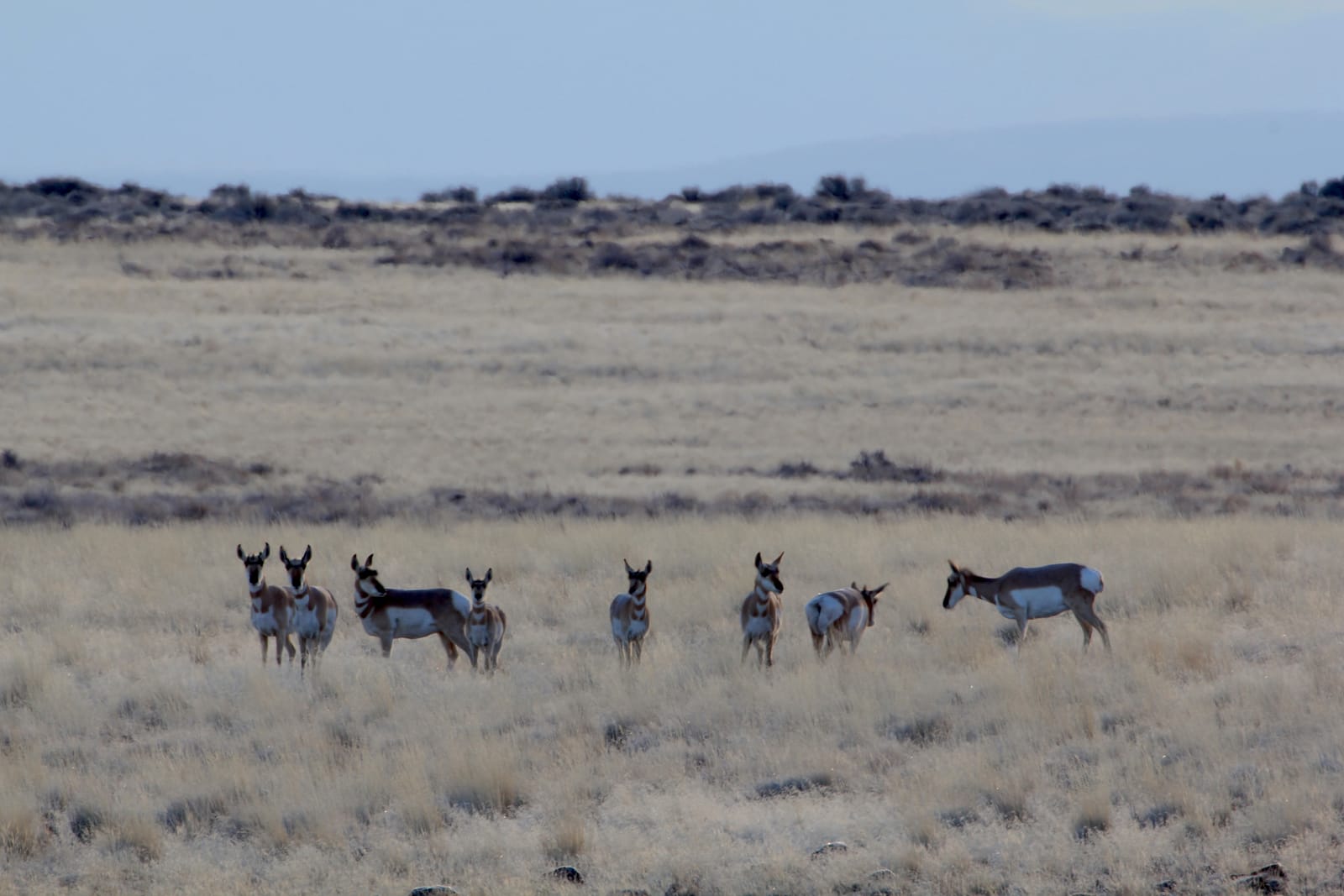
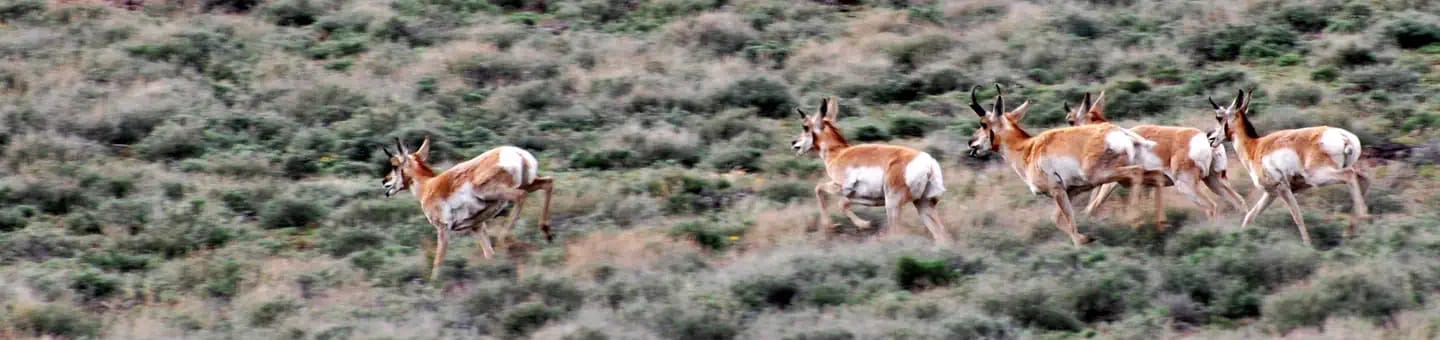
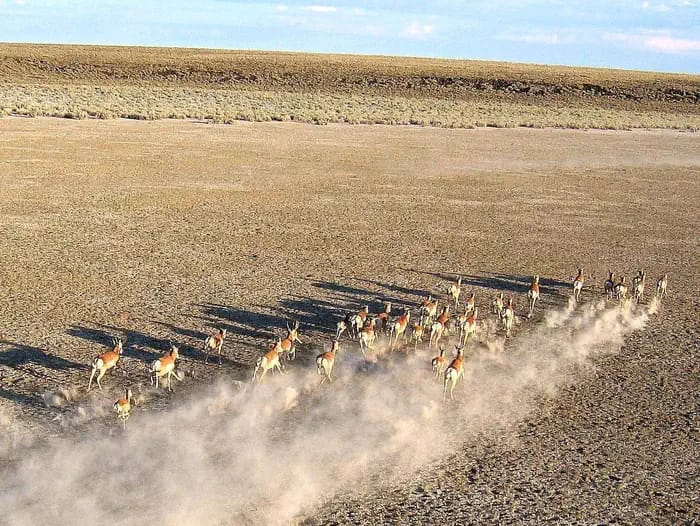
- MammalPronghornWhen: late summer and fallThe refuge was set aside in 1931 to protect them; large numbers gather near Swan Lake in late summer and fall
- BirdGreater sage-grouseWhen: early springDisplays on leks in spring; keep 100 yards from birds March 1 to June 1
- MammalCalifornia bighorn sheepReintroduced; seen on cliffs above Thousand Creek, IXL Ranch and in the western refuge
- MammalMule deerEarly morning and late evening near Badger Mountain, Catnip Reservoir or Little Sheldon
- MammalAmerican pikaStudied on the refuge because of population declines
- MammalPygmy rabbitStudied on the refuge because of population declines
- FishRedband trout
- FishLahontan cutthroat troutIntroduced sport fish; cutthroat may be caught during a limited season at Catnip Reservoir
- FishNative chubsThe only two native fish species in refuge waters
- BirdCanada gooseCatnip Reservoir is a popular destination for Canada geese
- BirdMigratory waterfowlWhen: spring and fall migrationSeen at Catnip Reservoir and other refuge ponds; Dufurrena Ponds host many water birds
- InvertebrateButterfliesWhen: spring and summer
- Reptile or amphibianWestern rattlesnakeThe only venomous reptile visitors should be aware of
- PlantWestern juniperNative tree cut back where it did not historically grow, to restore sagebrush habitat
Source: fws.gov/refuge/sheldon/species, checked 2026-09-27.
Hunting
Hunting is allowed on Sheldon National Wildlife Refuge for waterfowl, upland game birds, and big game. Where, per the refuge: No hunting in Virgin Valley, Little Sheldon or the posted western portion of the refuge; no waterfowl hunting at Catnip and Big Spring reservoirs. Seasons, limits and methods are set by the refuge regulation and Nevada Department of Wildlife rules, which change every year: read them before you go.
Hunting rules for Sheldon National Wildlife Refuge
Source: fws.gov/refuge/sheldon/visit-us/activities/hunting, checked 2026-09-27.
Fishing and boating
Fishing is allowed on Sheldon National Wildlife Refuge with a Nevada fishing license. Where, per the refuge: Only in Dufurrena Ponds, Catnip Reservoir, Big Spring Reservoir and McGee Pond. McGee Pond is open year-round for children under 12.
Fishing rules for Sheldon National Wildlife Refuge
Boats are allowed. Motors: Only electric motors are allowed. Boats may be used on Big Spring Reservoir, Catnip Reservoir and Dufurrena Ponds.
Sources: fws.gov/refuge/sheldon/visit-us/activities/fishing, checked 2026-09-27; fws.gov/refuge/sheldon/visit-us/activities, checked 2026-09-27.
Camping
Camping is allowed on Sheldon National Wildlife Refuge at 1 campground. There is no camping fee. Stays are limited to 14 days in any 30-day period. In designated campgrounds or with a free backcountry permit; first come, no reservations. Virgin Valley is open all year with water; all others are primitive.
Campfires: Campfires only in fire rings where provided; no fires when backcountry camping; collecting firewood on the refuge is prohibited.
Source: fws.gov/refuge/sheldon/visit-us/activities/camping, checked 2026-09-27.
Pets
Dogs are allowed on Sheldon National Wildlife Refuge on a leash. Leashed or confined, except dogs used for bird hunting.
Source: fws.gov/refuge/sheldon/visit-us/rules-policies, checked 2026-09-27.
Places on the refuge
- Hot springVirgin Valley warm springs poolGeothermal warm springs piped into a pool at Virgin Valley Campground, with a rustic shower house
- PlaceVirgin Valley fire opalsFire opals draw miners and rock collectors; rockhounding by hand from the surface only, up to 7 pounds per day
- Historic siteLast Chance RanchGeorge Hapgood's ranch, bought in 1931 to found the refuge; its ranch house became refuge headquarters
- Historic siteKinney CampPink sandstone and basalt buildings by Cedarville stonemasons, like those at Thousand Creek Ranch and Gooch Camp
- Historic siteThe Portal and Overnight CabinCivilian Conservation Corps work: 20-ton boulders at the Road 34A west entrance and a 1937 cabin nearby
- CanyonThousand Creek GorgeBighorn sheep may be glimpsed on the cliffs above Thousand Creek
- PlaceCatnip MountainHighest point on the refuge at 7,294 feet
- PlaceLittle SheldonNo-hunt zone; look for mule deer early and late in the day
Source: fws.gov/refuge/sheldon/about-us, checked 2026-09-27.
Getting there
- 60 miles from Lakeview, OR
- A high-clearance vehicle is recommended.
- Nearest fuel: 23 miles
- No cell service
- Only Highway 140 is maintained in winter. Virgin Valley Road, 8A, 34A and other refuge roads are not, and can become impassable from snow or mud. (as of 2026-09-27)
Source: fws.gov/refuge/sheldon/current-conditions-sheldon-national-wildlife-refuge, checked 2026-09-27.
Fishing and water
Fishing inside the boundary: Catnip Reservoir fishing , with stocking records and species on fishypedia.com.
Public lands next to Sheldon National Wildlife Refuge
- BLM unitBlack Rock Desert-High Rock Canyon Emigrant Trails National Conservation Area is 2.9 miles away, straight line between the two boundaries.
- Wilderness areaEast Fork High Rock Canyon Wilderness is 2.9 miles away, straight line between the two boundaries.
Measured between the units' boundaries as mapped in USGS PAD-US. Distances are straight line, not driving.
Photos
Data source: Recreation.gov
- https://www.fws.gov/refuge/sheldon (accessed 2026-09-27)
- https://www.recreation.gov/camping/gateways/3922 (accessed 2026-09-27)
- https://www.fws.gov/refuge/sheldon/contact-us (accessed 2026-09-27)
- https://www.fws.gov/refuge/sheldon/about-us (accessed 2026-09-27)
- https://www.fws.gov/refuge/sheldon/visit-us (accessed 2026-09-27)
- https://www.fws.gov/refuge/sheldon/visit-us/activities (accessed 2026-09-27)
- https://www.fws.gov/refuge/sheldon/visit-us/activities/camping (accessed 2026-09-27)
- https://www.fws.gov/refuge/sheldon/visit-us/rules-policies (accessed 2026-09-27)
- https://www.fws.gov/refuge/sheldon/visit-us/activities/hunting (accessed 2026-09-27)
- https://www.ecfr.gov/current/title-50/chapter-I/subchapter-C/part-32/subpart-B/section-32.47 (accessed 2026-09-27)
- https://www.fws.gov/refuge/sheldon/visit-us/activities/fishing (accessed 2026-09-27)
- https://www.fws.gov/refuge/sheldon/visit-us/activities/backpacking (accessed 2026-09-27)
- https://www.fws.gov/refuge/sheldon/visit-us/activities/wildlife-watching (accessed 2026-09-27)
- https://www.fws.gov/refuge/sheldon/visit-us/activities/horseback-riding (accessed 2026-09-27)
- https://www.fws.gov/refuge/sheldon/current-conditions-sheldon-national-wildlife-refuge (accessed 2026-09-27)
- https://www.fws.gov/refuge/sheldon/species (accessed 2026-09-27)
- https://www.fws.gov/sites/default/files/documents/Sheldon%20Brochure%20and%20updated%20map_2012.pdf (accessed 2026-09-27)
- https://www.fws.gov/media/pronghorn-group-sheldon-nwrjpg (accessed 2026-09-27)
- https://commons.wikimedia.org/wiki/Category:Sheldon_National_Wildlife_Refuge (accessed 2026-09-27)