Pahranagat National Wildlife Refuge
Pahranagat National Wildlife Refuge is a 5,382-acre national wildlife refuge in Lincoln County, Nevada, established in 1963, run by the U.S. Fish and Wildlife Service as part of the Desert National Wildlife Refuge Complex. There is no entrance fee. It is open from sunrise to sunset, year-round. Camping is allowed.
Check current closures and fire restrictions for Pahranagat National Wildlife Refuge on the managing agency's own page.
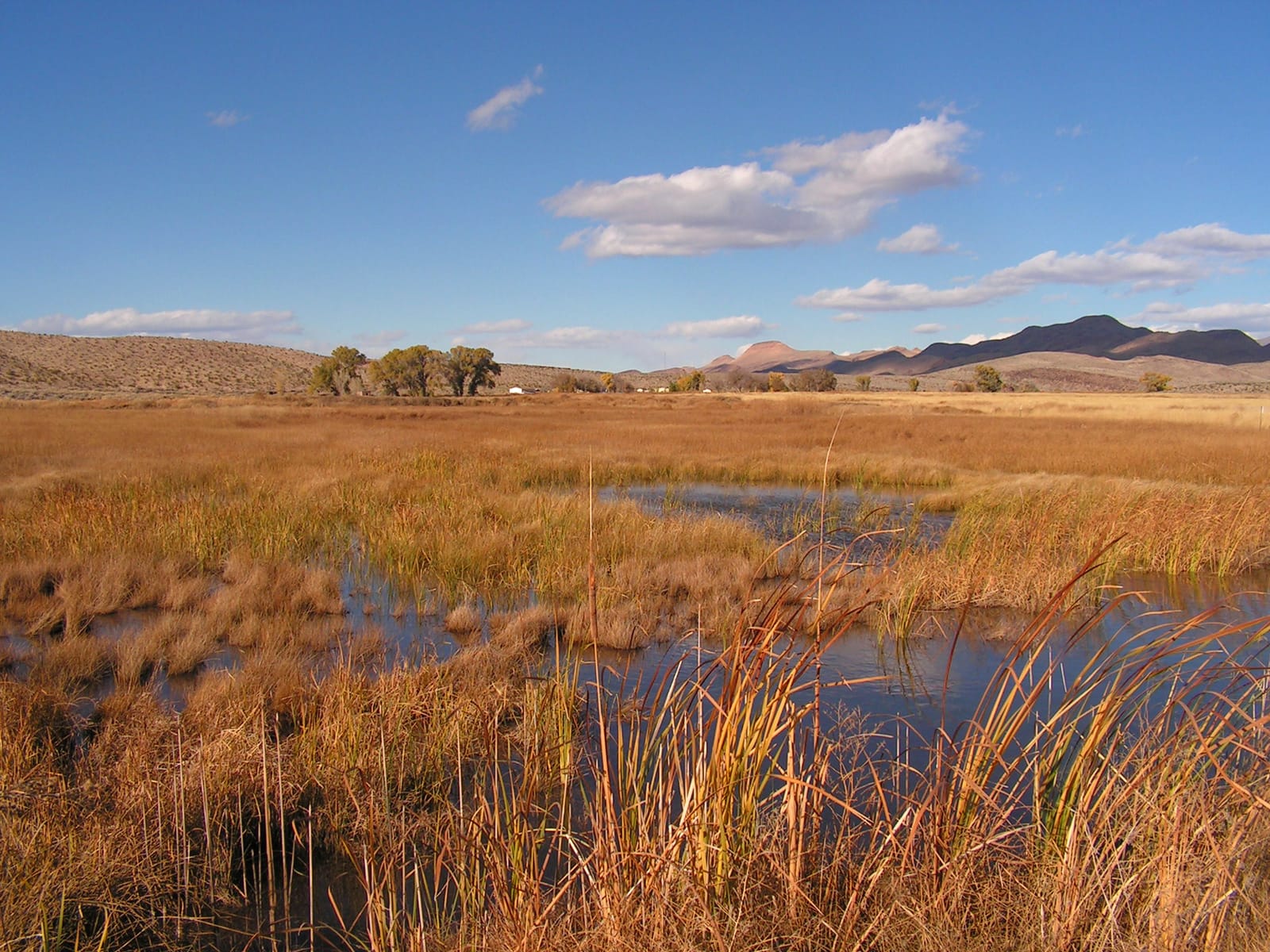
Pahranagat National Wildlife Refuge map
Pahranagat National Wildlife Refuge boundary from USGS PAD-US or the managing agency, simplified for display. Not for navigation or legal boundaries.
Closures
- Every year from October 1 to February 1: North Marsh is closed to fishing from October 1 to February 1 (as of September 27, 2026). Current notice
- Boats, rubber rafts and other flotation devices are not permitted on North Marsh at any time (as of September 27, 2026). Current notice
Fire restrictions
One fire restriction order is recorded for this unit as of Sept. 30, 2026. Each links the signed order.
- Stage 1 Fire Restrictions begin May 29, 2026 Stage 1 Fire Restrictions begin May 29, 2026 . For all current fire restrictions in effect in Southern Nevada please visit Nevada Fire Info . At Pahranagat National Wildlife Refuge all Stage 1 restrictions apply. Visitors are required to use grills or provided fire rings. It is prohibited to use any fire ring that is not provided by USFWS, including rock rings and ground fires.
Nevada Fire Info, BLM Nevada's interagency fire site, keeps the Nevada fire restrictions map and signed orders for every fire zone, and a Nevada fire map of active fires.
Common questions
- Yes. Pahranagat National Wildlife Refuge is open from sunrise to sunset, year-round.
- No. There is no entrance fee at Pahranagat National Wildlife Refuge.
- Yes. Camping is allowed on Pahranagat National Wildlife Refuge, in designated sites only. There is no camping fee. Stays are limited to 14 days in any 31-day period. 15 primitive first-come lakeside sites on Upper Pahranagat Lake, open year-round; no water or hookups; vault toilets; quiet hours 10 pm to 7 am.
- Yes. Hunting is allowed on Pahranagat National Wildlife Refuge for waterfowl, upland game birds, and small game. Where, per the refuge: Only in the signed hunt area from just north of Dove Dike south through Lower Pahranagat Lake, on designated days. Big game hunting is not allowed. Seasons, limits and methods are set by the refuge regulation and Nevada Department of Wildlife rules, which change every year: read them before you go.
- Yes. Fishing is allowed on Pahranagat National Wildlife Refuge with a Nevada fishing license. Where, per the refuge: Year-round in designated areas; Upper Lake and North Marsh are best. Common fish are carp, largemouth bass, green sunfish and catfish. Lower Lake is too alkaline for fish.
- Yes. Dogs are allowed on Pahranagat National Wildlife Refuge on a leash. Pets may not swim or wade in the water; pack out all pet waste.
- Yes. The refuge has 2 auto tour routes: Alamo Road and Medsger Pass.
- No. Drones may not be launched, landed or flown on Pahranagat National Wildlife Refuge.
Hours, fees, and visitor center
Pahranagat National Wildlife Refuge is open from sunrise to sunset, year-round.
There is no entrance fee at Pahranagat National Wildlife Refuge.
- Pahranagat National Wildlife Refuge Visitor CenterSep to May, Thu-Mon: 10 a.m. to 4 p.m.Jun to Aug, Fri-Sun: 10 a.m. to 4 p.m.Highway 93 North, Milepost 32, Alamo, NV 89001775-725-3417
What visitors do here: wildlife viewing, birding, hiking, hunting, fishing, boating, camping, interpretive programs.
Sources: fws.gov/refuge/pahranagat/visit-us, checked 2026-09-27; fws.gov/refuge/pahranagat, checked 2026-09-27; fws.gov/refuge/pahranagat/visit-us/activities, checked 2026-09-27.
Auto tour routes
- Alamo Road72 mi, four-wheel driveBackcountry road from the visitor center lot to Corn Creek Field Station, Desert NWR; no services, limited cell service
- Medsger Pass22 mi, four-wheel driveUnmaintained road off US 93 to the base of Tikaboo Peak; no services, limited cell service
Source: fws.gov/refuge/pahranagat/visit-us, checked 2026-09-27.
Wildlife
- Bird, endangeredSouthwestern willow flycatcherWhen: summerNests in large willows and cottonwoods on the refuge
- BirdGreater sandhill craneWhen: February and MarchFeeds in grasslands and wet meadows
- Reptile or amphibian, threatenedDesert tortoiseWhen: springEmerges after spring rains to feed on wildflowers
- BirdBald eagleWhen: winterHunts ducks and fish; seen from the Upper Lake Trail
- BirdTundra swanWhen: winter
- BirdCanvasback, common merganser and ruddy duckDiving ducks on the deeper Upper Pahranagat Lake and North Marsh
- BirdMallard, pintail and cinnamon tealDabbling ducks on the shallower Middle Marsh and Lower Pahranagat Lake
- BirdWilson's phalaropeWhen: April and May
- BirdYellow warblerWhen: springSings in cottonwood and willow groves in early morning
- BirdWhite-faced ibis, American avocet and killdeerFeed on mudflats exposed when marshes are drawn down
- BirdGambel's quailCoveys emerge at dusk
- MammalMule deerWhen: fallOften seen early morning or evening; bucks breed in fall
- InvertebrateMonarch butterflyWhen: summerDense showy milkweed along Dove Dike
Source: fws.gov/refuge/pahranagat/species, checked 2026-09-27.
Hunting
Hunting is allowed on Pahranagat National Wildlife Refuge for waterfowl, upland game birds, and small game. Where, per the refuge: Only in the signed hunt area from just north of Dove Dike south through Lower Pahranagat Lake, on designated days. Big game hunting is not allowed. Seasons, limits and methods are set by the refuge regulation and Nevada Department of Wildlife rules, which change every year: read them before you go.
Hunting rules for Pahranagat National Wildlife Refuge
Source: fws.gov/refuge/pahranagat/visit-us/activities/hunting, checked 2026-09-27.
Fishing and boating
Fishing is allowed on Pahranagat National Wildlife Refuge with a Nevada fishing license. Where, per the refuge: Year-round in designated areas; Upper Lake and North Marsh are best. Common fish are carp, largemouth bass, green sunfish and catfish. Lower Lake is too alkaline for fish.
Fishing rules for Pahranagat National Wildlife Refuge
Boats are allowed. Boating season: February 1 to September 30 on Upper Pahranagat Lake. Motors: Non-motorized boats or boats with electric motors only. Car-top watercraft only, no trailer launching. Middle Marsh and Lower Lake for waterfowl hunting only. Never allowed on North Marsh.
Sources: fws.gov/refuge/pahranagat/visit-us/activities/fishing, checked 2026-09-27; fws.gov/refuge/pahranagat/visit-us/activities/boating---non-motorized, checked 2026-09-27.
Camping
Camping is allowed on Pahranagat National Wildlife Refuge, in designated sites only. There is no camping fee. Stays are limited to 14 days in any 31-day period. 15 primitive first-come lakeside sites on Upper Pahranagat Lake, open year-round; no water or hookups; vault toilets; quiet hours 10 pm to 7 am.
Campfires: Fires only in provided grills and fire pits; ground fires and building rock fire rings are prohibited.
Source: fws.gov/refuge/pahranagat/visit-us/activities/camping, checked 2026-09-27.
Pets
Dogs are allowed on Pahranagat National Wildlife Refuge on a leash. Pets may not swim or wade in the water; pack out all pet waste.
Source: fws.gov/refuge/pahranagat/what-we-do/laws-regulations, checked 2026-09-27.
Trails
- Davenport TrailFrom the visitor center lot up to desert uplands with views of Upper Pahranagat Lake
- Pahranagat LoopADA accessible; interpretive signs among cottonwoods and willows, prime songbird habitat
- Cabin TrailADA accessible; ends at two historic cabins built by early Pahranagat Valley settlers
- Upper Lake Trail3-mile loop using the campground road; two overlooks; open to bikes; bald eagles in winter
- Waterway TrailFollows the water supply ditch from a yellow gate to the campground road; open to bikes
- Cottonwood SpringsRough, unmaintained, sometimes muddy; in the seasonal hunt area
- Dove DikeCrosses upper Middle Marsh; monarchs on milkweed in summer, sunflowers in fall
- WHIN DikeShorebird viewing on Middle Marsh; in the seasonal hunt area
- Middle Marsh DikeCrosses lower Middle Marsh along tall willows; in the seasonal hunt area
Source: fws.gov/refuge/pahranagat/visit-us/activities/hiking, checked 2026-09-27.
Places on the refuge
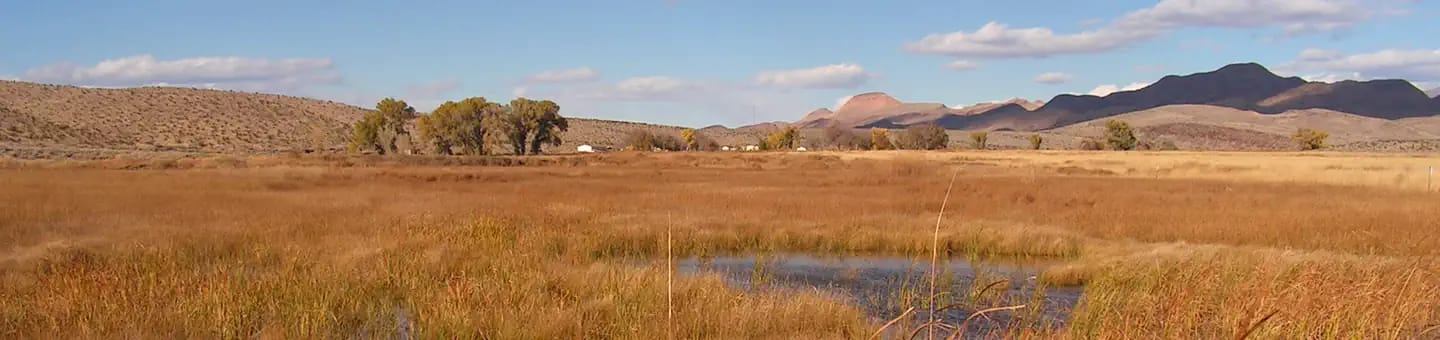
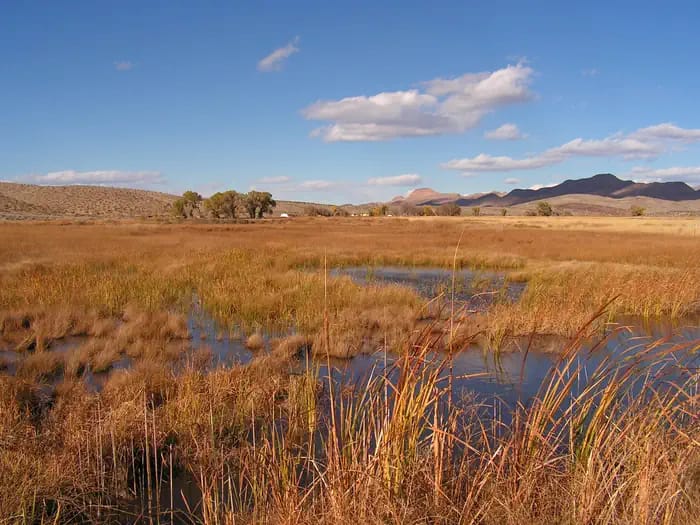
- MarshMiddle MarshShallow marsh favored by dabbling ducks, herons and egrets; water levels fluctuate by season
- MarshNorth MarshDeep marsh favored by diving ducks; boats and flotation devices never allowed
- Historic siteHistoric settler cabinsTwo cabins built by early settlers in the Pahranagat Valley, with interpretive signs, at the end of the Cabin Trail
- OverlookUpper Lake Trail overlooksTwo overlooks between riparian habitat and desert upland
- PlaceUpper Pahranagat Lake day use and picnic areaPicnic area and pavilion at the campground entrance; vault toilets
- PetroglyphsPetroglyphs, pictographs and archeological sitesFound throughout the refuge; take only pictures, removing artifacts violates federal law
Source: fws.gov/refuge/pahranagat/visit-us/trails, checked 2026-09-27.
Getting there
- Nearest town: Alamo, 8 miles
- 75 miles from Las Vegas
- Nearest fuel: 8 miles
Source: fws.gov/refuge/pahranagat/visit-us, checked 2026-09-27.
Public lands next to Pahranagat National Wildlife Refuge
- National wildlife refugePahranagat National Wildlife Refuge borders Desert National Wildlife Refuge.
- Wilderness areaDelamar Mountains Wilderness is 2 miles away, straight line between the two boundaries.
Measured between the units' boundaries as mapped in USGS PAD-US. Distances are straight line, not driving.
Photos
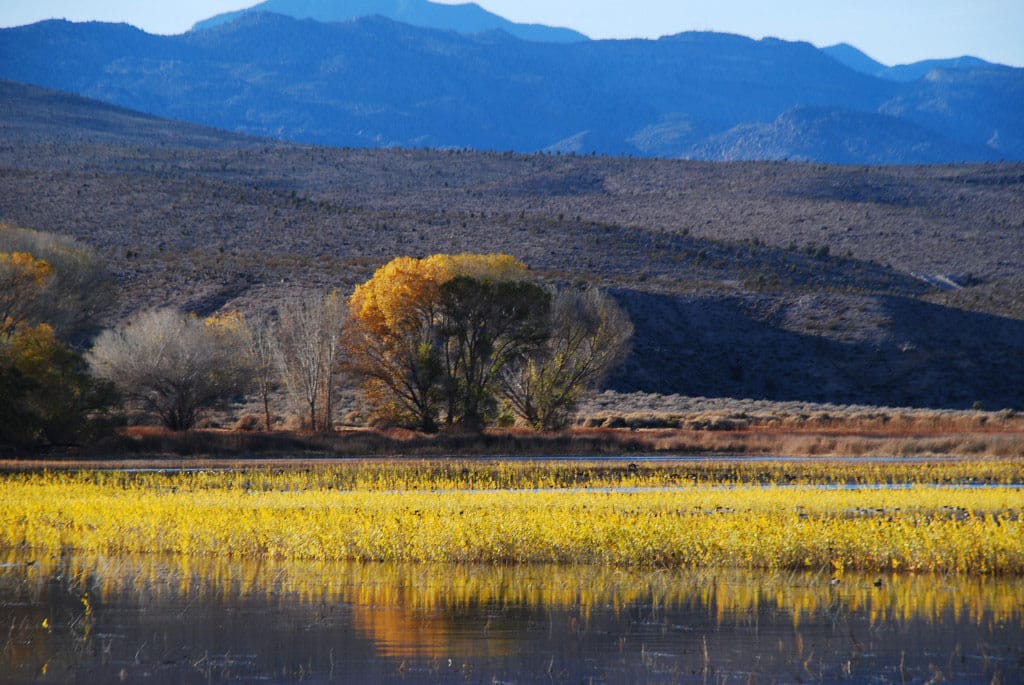
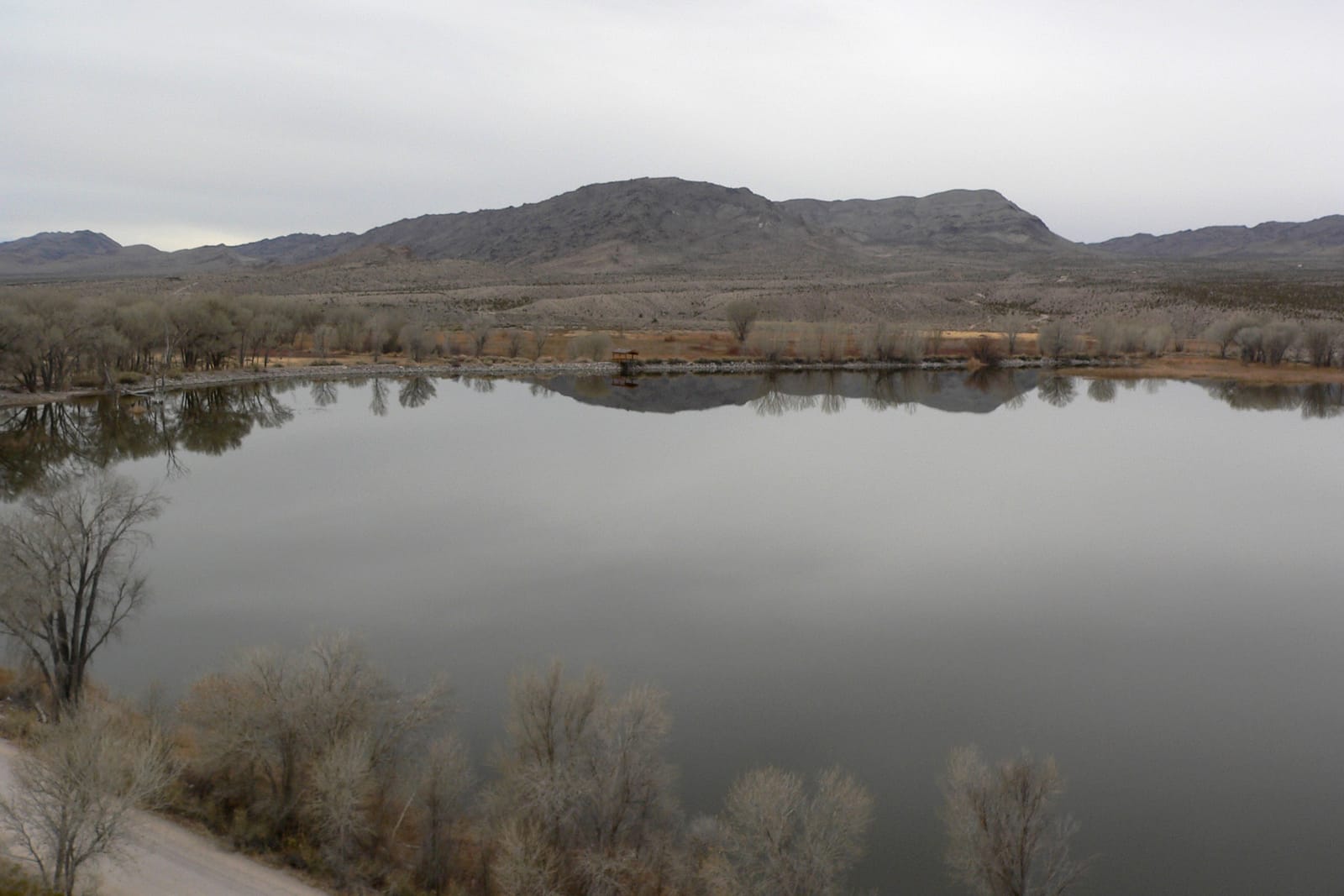
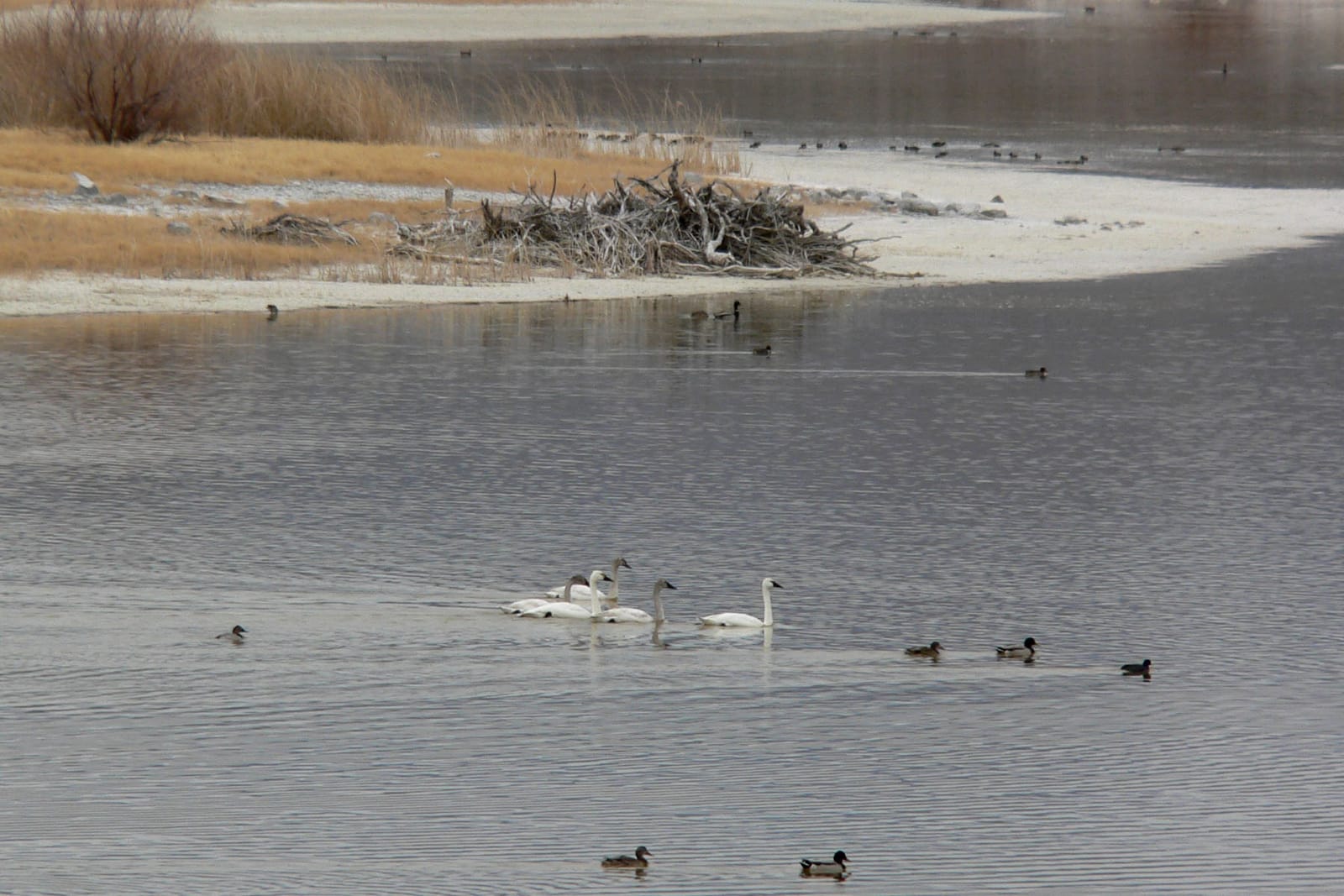
Data source: Recreation.gov
- https://www.fws.gov/refuge/pahranagat (accessed 2026-09-27)
- https://www.recreation.gov/camping/gateways/1555 (accessed 2026-09-27)
- https://www.fws.gov/refuge/pahranagat/visit-us (accessed 2026-09-27)
- https://www.fws.gov/refuge/pahranagat/about-us (accessed 2026-09-27)
- https://www.fws.gov/refuge/pahranagat/contact-us (accessed 2026-09-27)
- https://www.fws.gov/refuge/pahranagat/visit-us/activities (accessed 2026-09-27)
- https://www.fws.gov/refuge/pahranagat/visit-us/activities/camping (accessed 2026-09-27)
- https://www.fws.gov/refuge/pahranagat/visit-us/activities/fishing (accessed 2026-09-27)
- https://www.fws.gov/refuge/pahranagat/visit-us/activities/hunting (accessed 2026-09-27)
- https://www.ecfr.gov/current/title-50/chapter-I/subchapter-C/part-32/subpart-B/section-32.47 (accessed 2026-09-27)
- https://www.fws.gov/refuge/pahranagat/visit-us/activities/boating---non-motorized (accessed 2026-09-27)
- https://www.fws.gov/refuge/pahranagat/visit-us/activities/wildlife-watching (accessed 2026-09-27)
- https://www.fws.gov/refuge/pahranagat/visit-us/activities/hiking (accessed 2026-09-27)
- https://www.fws.gov/refuge/pahranagat/visit-us/activities/ranger-led-programs (accessed 2026-09-27)
- https://www.fws.gov/refuge/pahranagat/what-we-do/laws-regulations (accessed 2026-09-27)
- https://www.fws.gov/refuge/pahranagat/species (accessed 2026-09-27)
- https://www.fws.gov/refuge/pahranagat/visit-us/trails (accessed 2026-09-27)
- https://commons.wikimedia.org/wiki/Category:Pahranagat_National_Wildlife_Refuge (accessed 2026-09-27)